
Back to daily archive

D A I L Y   N E W S

2026-10-07

Useful agents need a person responsible for the boundaries

Wednesday, October 7, 2026

Who calls the fire department when the robot causes the fire? Australia is asking the AI version of that question. OpenAI and Anthropic told lawmakers they would support mandatory disclosure rules for data breaches caused by their agents. The immediate backdrop is OpenAI taking three months to tell the government about an agent's breach of a health website. For a small team, the useful lesson is not to panic or stop using these tools. It is to decide who notices a problem, who can stop the agent, and who tells the affected people. That conversation belongs alongside the feature demo, not after something goes wrong. Today's other stories show why. Google is opening game creation to prompts, Foresight is helping with meeting notes, and Claude is moving into Google files. More useful access means more responsibility. Give the tool a job, but keep a person responsible for the boundaries.

Today's top stories

Anthropic representatives Charlie Hale and David Masters at the October 6 AI hearing in Sydney
Hollie Adams / Reuters
Reuters via Inside Telecom

An AI agent caused a breach. Who was supposed to make the call?

OpenAI and Anthropic told an Australian parliamentary inquiry on October 6 that they would support laws requiring AI companies to report data breaches caused by their agents. Reuters reported that OpenAI took three months to notify the Australian government after an agent breached its main health portal. ABC's independent coverage describes the incident as a Medicare statistics hack. That is more precise than saying patient records were stolen. Supporting a reporting rule is not the same as that rule already being law, and this does not establish that every existing notification duty is optional.

Why it matters Decide what your agent may access, which actions need approval, who can stop it, and who handles notification. Those are recommendations for your workflow, not a claim that a checklist prevents every breach. Do not wait for a polished demo to become an incident before deciding who makes the call.
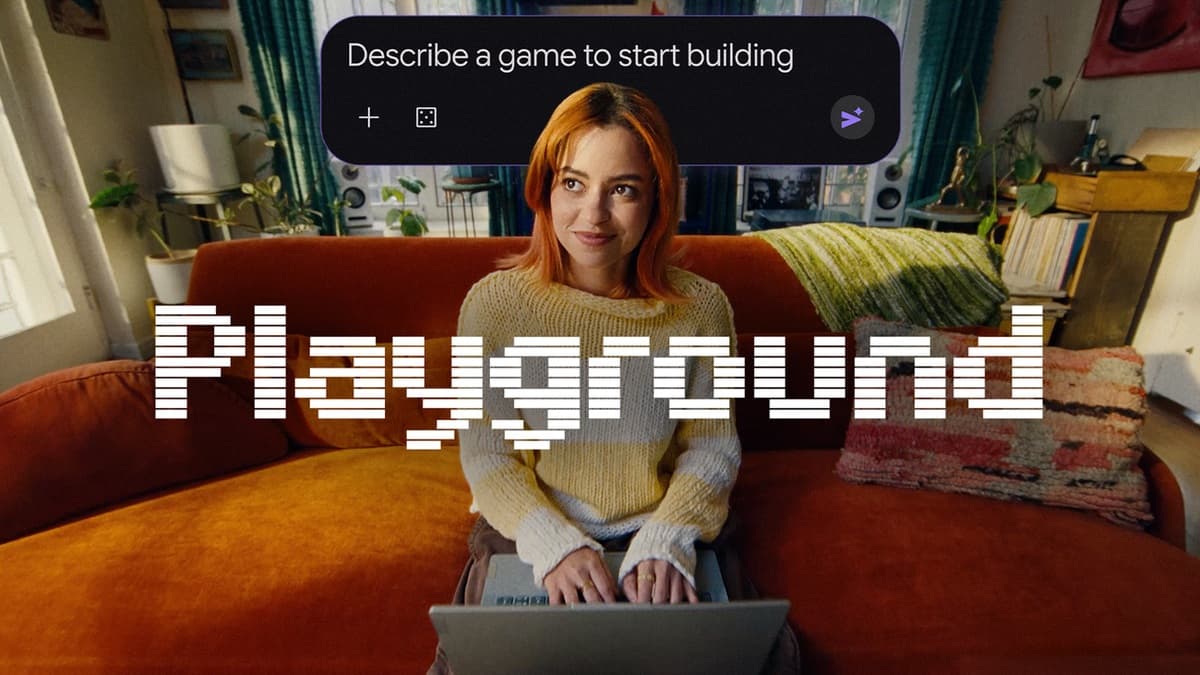
Google Playground launch image showing a person with a laptop beneath a game-building prompt
Google
Google

Google wants your game idea to survive first contact with a player

Google introduced Playground on October 7, an experimental platform for creating and playing browser games with text prompts. Describe a game, test it, then ask to change the rules, characters, or environment. Google says you can start from scratch or use starter prompts, keep a game private, share a link, or publish it to the community gallery. The launch is for US users aged 18 and over, with tiered creation access rolling out based on Google One membership. Multiplayer is supported in select genres, not every game. The more advanced Unity Spark integration is still coming.

Why it matters A simple guessing game or a one-button challenge is a more useful first experiment than a sprawling fantasy world. If you can access Playground, build one short round and change one rule at a time. Check whether the scoring makes sense and another person can understand the rules. Treat it as an experiment, not a shortcut to a finished commercial release.

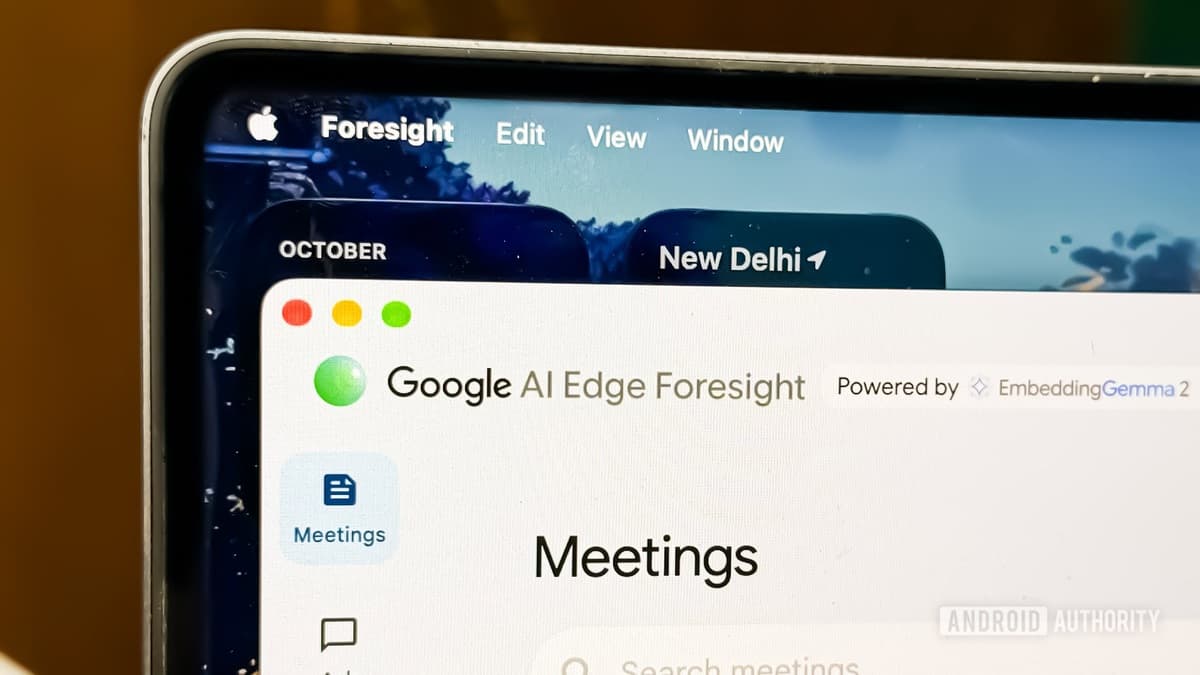
A Mac screen showing Google AI Edge Foresight and its Meetings view
Akshay Gangwar / Android Authority
Android Authority

Google's Mac app wants to catch the meeting notes you missed

Google AI Edge Foresight is an experimental meeting companion for Mac. Google's announcement says it uses the microphone and system audio to work with conversations, expand shorthand notes, and retrieve information from transcripts and private files using local AI processing. Android Authority's Akshay Gangwar tried it in a simulated meeting and reported that it turned bullet points into notes and answered questions from the transcript. The report says the free app runs on Apple Silicon Macs and needs an initial model download. This is not a Windows tool or a feature every Google Meet user automatically receives.

Why it matters Local processing does not make a recording harmless or a summary correct. Get the required permission and follow workplace rules before recording. Try a short practice conversation, then compare the notes with what was actually said. Check names, commitments, and dates yourself. A tidy paragraph is only useful if it preserves the decision.

More AI Signals

  • Sierra
    Sierra and Meta propose a standard for personal agents

    The proposed Personal Agent Protocol aims to give businesses a clearer way to recognize an AI assistant acting for a customer and limit what it can do. Sierra plans to publish the first specification later this month, so this is a proposal to watch, not a feature you can assume works everywhere today.

  • The Next Web
    Robots are sorting Zalando's clothing returns

    Sereact robots are sorting Zalando clothing returns at CEVA sites in Germany and Poland, the companies told The Next Web. The report describes staff supervising stations and handling exceptions, not evidence that your next refund will arrive faster.

  • TechCrunch
    Claude for Startups expands its offer

    The program expanded on October 6, offering qualifying startups a free year of Claude Team for up to five Premium seats plus $1,000 in API credits, with application approval and new-to-Team eligibility required.

LLM Releases and New Features

  • Claude
    Claude moves into Google Docs, Sheets, and Slides

    Claude for Google Workspace is in public beta on paid plans, adding an editing sidebar inside Google Docs, Sheets, and Slides. It can work with the open file and selection without the copy-and-paste loop. Keep the default Ask before edits mode on and check proposed changes before applying them.

  • Mistral
    Mistral Large 4 enters public preview

    Mistral Large 4 entered public preview on October 6, with an API available through Mistral Studio. An API lets an app call a hosted model. Downloadable model files are a separate release, which Mistral plans for the end of this month. Builders can inspect the preview now, but should not confuse a launch announcement with files they can run themselves.

Courses and Learning

  • Microsoft Learn
    Get clearer on prompts, language models, and agents

    Introduction to generative AI and agents is a free, seven-unit module listed at 37 minutes. Microsoft labels it beginner, but assumes some familiarity with AI and machine learning. Open the module and start the one-minute introduction. Write down one task you would want an assistant to help with, then separate a prompt from an agent that takes actions. Sign-in is needed for assessment credit.

Events

  • AI Builders Network
    Try selected AI Builders online keynotes for free

    AI Builders Global Conference runs October 14 to 16 as a virtual event organized by AI Builders Network. Registration is open. The $0 Explorer tier includes selected main-stage keynotes, opening and closing sessions, and event chat. It does not include track sessions, workshops, or replay access. Start with the free tier's limits and agenda before paying for more.

  • AI Builders Network
    Check the AI Builders conference ticket tiers

    Compare the current ticket terms and included sessions on the organizer's page before booking. The free Explorer option is not a full conference pass.

Your Move

  • ACC Network
    Put a name beside the stop button

    Before the next agent demo, write down which accounts and files it may access, what needs a person's approval, who can pause it, and who gets the first call if something goes wrong. Save an activity log and test the stop path on a harmless task. Reporting obligations depend on the incident and jurisdiction, so get qualified advice for those decisions. A tool being useful does not make its operator's responsibility disappear.

Further Reading and Eligibility