Back to daily archive

D A I L Y   N E W S

2026-11-17

Useful tools. Clear limits.

Tuesday, November 17, 2026

Uber Eats and Zipline bring drone delivery to eligible addresses in Spring, Texas. Gemini separates history from training permission, while Notebook turns notes into interactive sites. Check the coverage, the settings and the generated result before relying on the promise.

Today's top stories

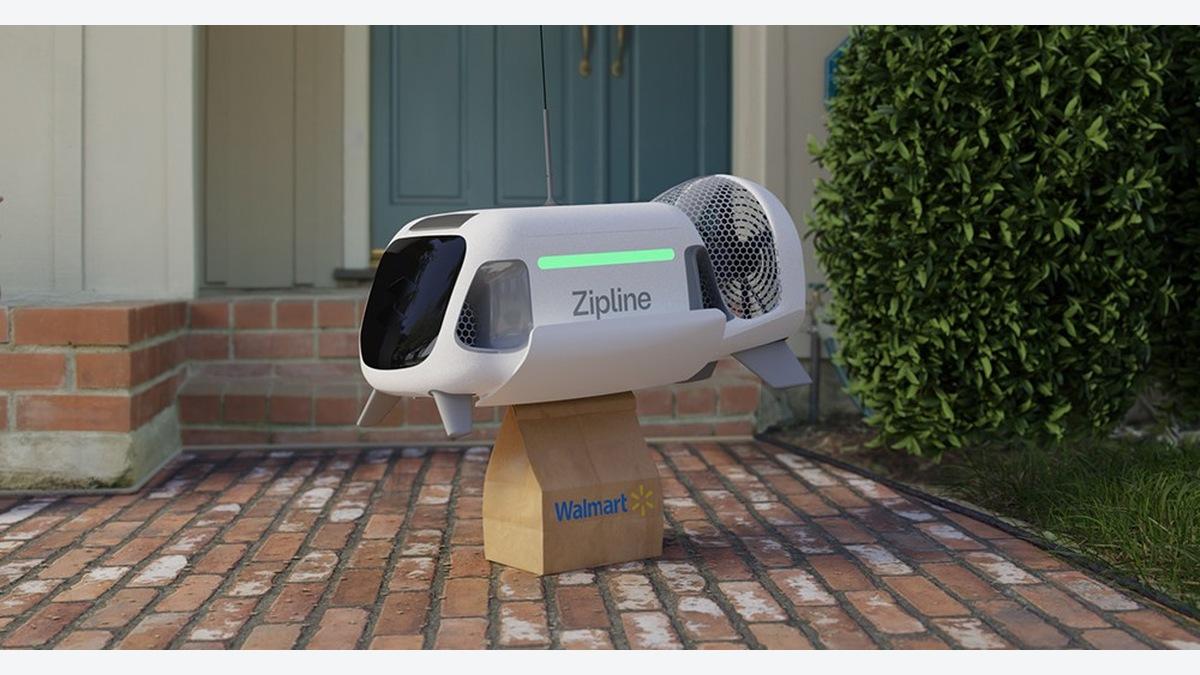
Zipline delivery photograph from the article showing an earlier Walmart delivery, not the new Uber service
Walmart / Zipline via The Verge · File photo of an earlier Walmart delivery, not the Uber rollout
The Verge

Your takeout needs a clear landing spot.

The Verge reports that Uber Eats and Zipline are launching drone delivery in Spring, a Houston suburb. Eligible customers in the coverage area can use a Drone option to browse participating restaurants. Checkout requires a clear drop-off zone; an aircraft lowers a tethered pod, and customers can follow delivery in the app. Restaurant choices depend on the listing. Tipping is disabled because the system is autonomous, though customers can rate the experience. Dallas is planned next, not live today, and broader expansion targets are not current coverage.

Why it matters Check whether your address, delivery space and restaurant order actually qualify. Do not assume a drone is available outside Spring or that a clear drop-off zone means the service works at every home. The image is a file photograph of an earlier Walmart delivery, not the Uber rollout.
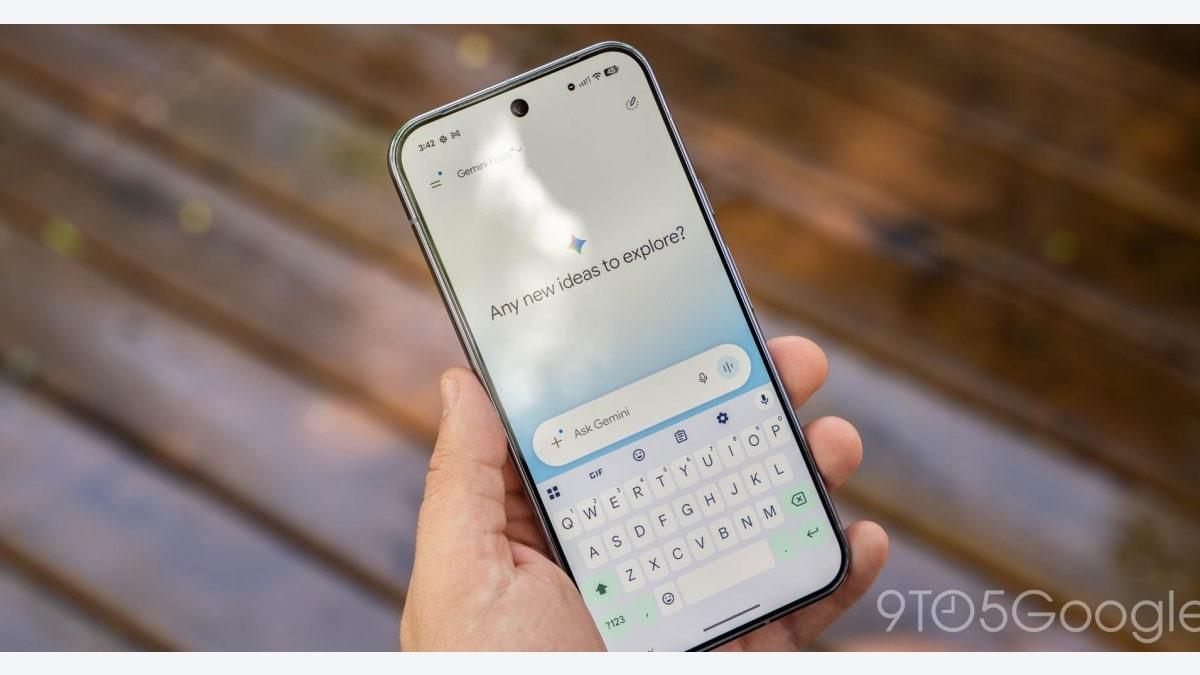
Gemini app shown in the publisher photo accompanying its privacy controls report
9to5Google · General app photograph, not the new settings screen
Google

Keep the conversation. Make a separate training choice.

Google is separating Gemini chat history from permission to use conversations for generative AI model training. The announced controls let users retain conversations while opting out of training. Turning History off is not instant deletion: Google says future chats will still be saved for around two months to respond, process feedback and protect Google, users and the public. The controls are due to roll out globally over the coming weeks. Company announcements and corroborating reporting are not independent privacy audits.

Why it matters Read History and training settings separately when they appear. Decide what you want saved, whether to permit training, and what information you should share at all. Keep sensitive or other people’s information out of experiments unless you understand the account policies and have permission. The image is a general app photograph, not the new controls screen.

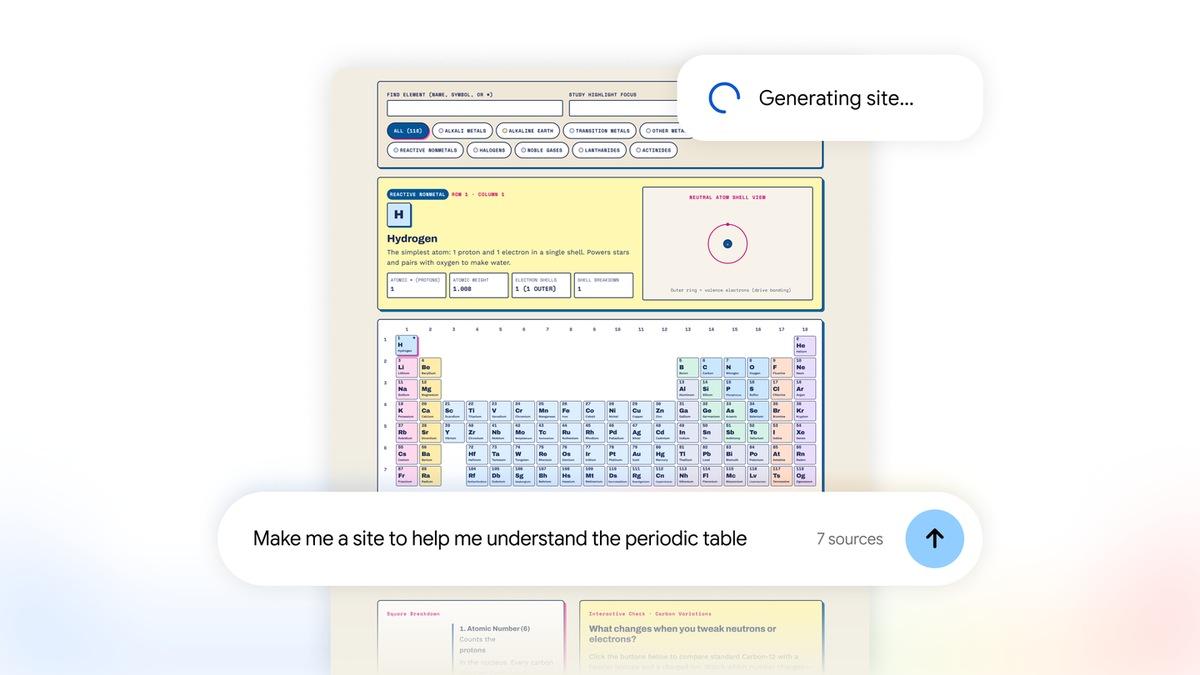
Google product artwork showing an interactive periodic table in Gemini Notebook
Google
Google

Build a study tool from the notes you already have.

Google says Gemini Notebook can turn source material into interactive sites, including study explainers, timelines, dashboards and project trackers. Type ‘make me a site’ in Notebook chat and describe what you want for work or study, then open the result in a new tab to use or share it. Google says the feature is rolling out globally on the web for users aged 18 and older, including Workspace subscribers. Mobile is coming later; an announcement does not mean your device already has access.

Why it matters Start with five dates or three tasks from notes you own and can safely upload, not private client material. Check every label, date and interaction against the originals before sharing. A polished page can still organize the wrong information; treat the output as a draft.

More AI signals

  • Google Workspace Updates
    Share the instructions, check the files.

    Gemini skills are reusable instructions you can share on the web, with Drive, Notebook or Photos files attached. Drive documents still need their own access permissions; the rollout began November 12.

  • Engadget
    Agent testing faces a legal challenge.

    California has sued OpenAI over alleged failures to safeguard experimental agents, including the Hugging Face incident. These are allegations, not court findings or evidence that an ordinary ChatGPT conversation performs those actions.

  • ROBOTERA via PRNewswire
    Parcel sorting moves beyond one pilot.

    ROBOTERA says its humanoid robots now operate across 11 China Post hubs in eight Guangdong cities. That is a company-reported deployment, not an independent performance test.

LLM releases and new features

  • Google
    Pick a voice that feels familiar.

    Google is rolling out 66 regional Gemini voices on Android and iOS. Preview the options through the three-dot menu in Gemini Live or Gemini’s voice settings, then try reading a short answer aloud. Availability may vary during rollout.

Courses and learning

  • Google / Coursera
    Learn one skill you can use this week.

    The Google AI Professional Certificate is a beginner-friendly eight-course series with no AI or coding prerequisites. Start with AI Fundamentals, then practice on a low-stakes work task. The official page lists $49 per month in the US and Canada; its overall and per-course time estimates differ, so plan at your own pace and check current enrollment terms.

Events

  • OpenAI Academy / NPower
    Bring a real task to Dallas.

    OpenAI Academy and NPower’s ChatGPT for what’s next workshop runs November 19 from 8.30 AM to noon Central at Dallas College’s Bill J. Priest Center. It is an in-person session for veterans, military spouses and military-connected community members. Bring a laptop or tablet and a ChatGPT account. Registration is offered; ticket price is not stated.

Your move

  • ACC Network
    Make a small thing. Keep your judgment.

    Pick five non-sensitive notes and ask for a simple study timeline or task tracker. Check it against the originals before sharing. Then review the app’s history and training controls separately. Useful output and informed permission belong in the same workflow.