Back to daily archive

D A I L Y   N E W S

2026-11-21

A new search page, a bigger footprint

Saturday, November 21, 2026

The search button disappears, but the trade-offs do not. Google is giving AI more room on its homepage, while Meta is reconsidering its climate timetable as infrastructure demand grows. A privacy investigation adds a reminder to check where the information in a prompt can travel. Today, look past the new feature and ask what changes for you.

Today's top stories

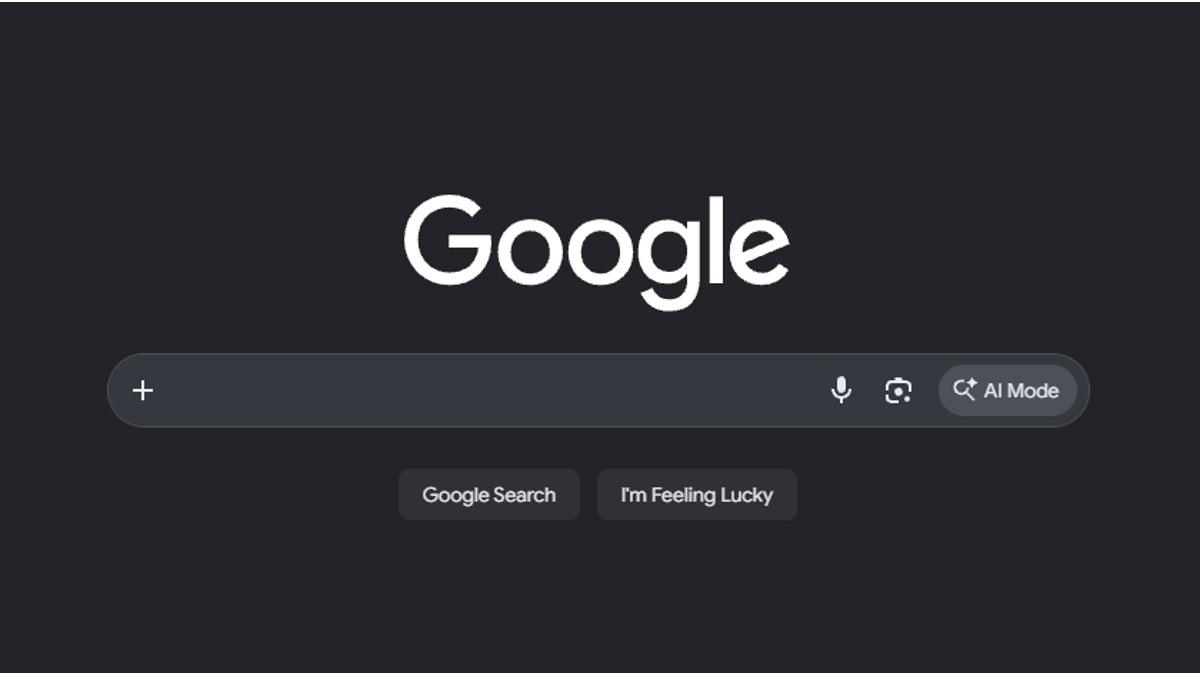
Google desktop homepage redesign screenshot published by Ars Technica
Via Ars Technica · Google homepage screenshot
Ars Technica

No Search button. Still a way to search.

Google is rolling out a desktop homepage redesign that removes the dedicated Search button and adds shortcuts for image generation, file analysis and brainstorming with Gemini. You can still run an ordinary search by pressing Enter or choosing an autocomplete suggestion. Signed-in users also get an expandable sidebar for recent AI Mode conversations on the homepage and results pages. The familiar “I’m Feeling Lucky” button remains.

Why it matters Use the shortcuts if they help, but reopening an AI conversation does not make its old answers current or correct.

Meta data center under construction in El Paso, as pictured in Ars Technica’s report
Via Ars Technica · Meta El Paso data center construction photo
Ars Technica

A climate promise meets the AI buildout.

Meta is reconsidering the 2030 timeframe for its net-zero emissions goal as AI infrastructure demand grows. Ars reports that total emissions rose from 15.6 million tonnes of carbon dioxide equivalent in 2024 to more than 21.7 million in 2025. Meta attributes much of the increase to capital goods such as data-center servers. It is reviewing its timetable, not announcing a confirmed replacement deadline.

Why it matters When an AI company makes a sustainability promise, check the reporting year and total emissions, not just the headline target.

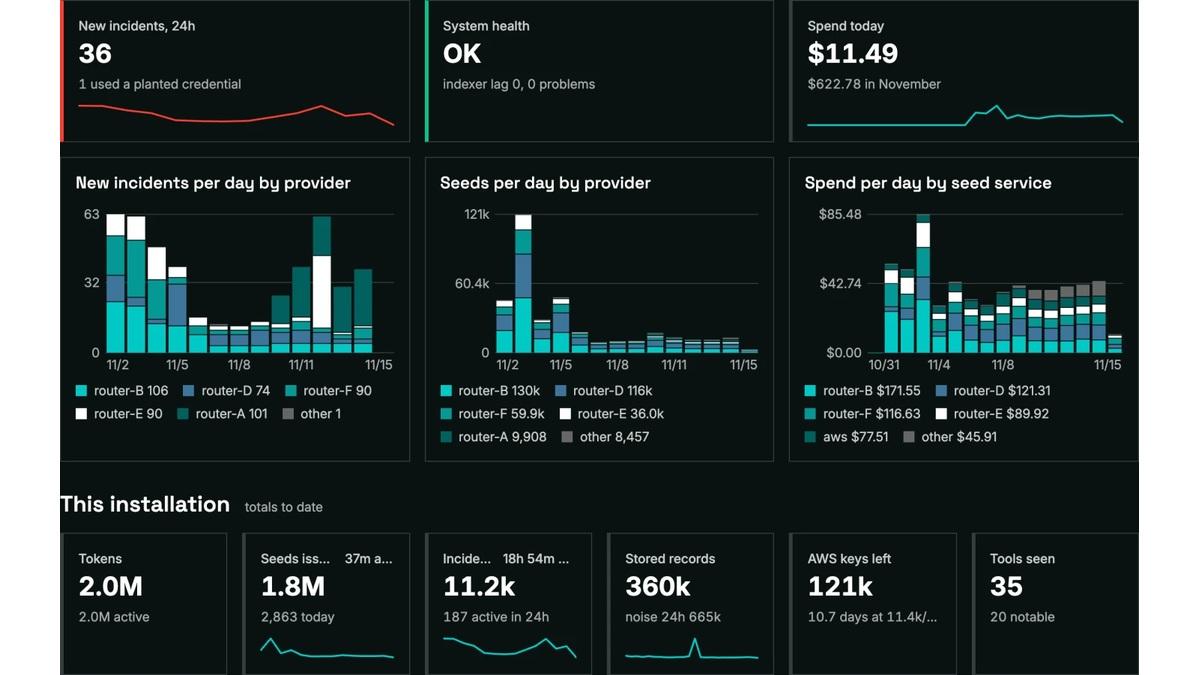
Dragos research console showing daily incident counts and seeded prompts
HD Moore / Dragos · Public research dashboard, detail in the linked study
Ars Technica

Before you paste it, ask who gets to read it.

Ars Technica reports on HD Moore’s Dragos research using controlled, trackable secrets in nearly two million AI prompts. Later attempts to open a unique link or use a planted credential could reveal that someone had seen the prompt. Dragos reported compromised providers, resellers retaining prompts and cases where privacy settings appeared not to be honored. These findings concern particular services and routes, not proof that every chatbot leaks or that your account was breached.

Why it matters Remove passwords, access keys and unnecessary customer details before using a tool, and use a workplace-approved service for work files.

More AI signals

  • Engadget
    ChatGPT Space reaches Plus

    ChatGPT Space is expanding to Plus subscribers for keeping project files and collaborators together. That does not generally include Dot agents, so check account access before paying for a specific feature.

  • AWS
    Make recurring work repeatable with AWS Quick

    AWS says Quick can turn recurring work into flows you can inspect, test and share with teammates. Its finance example is fictional rather than a measured customer result, so try a small task and check your organization’s access and permissions.

  • Nous Research
    Hermes Enterprise in Teams

    Earlier this week, Nous Research announced Hermes Enterprise in Microsoft Teams for tasks such as document drafting and inbox triage. Its Teams help page explains that messages and one-to-one files sent to the bot pass through a Nous connector, so review your company’s data rules before connecting it.

  • Dragos
  • Nous Research

LLM releases and new features

  • OpenAI
    GPT-Live-1.1 voice-app capabilities

    For builders catching up on this week’s API updates, OpenAI’s GPT-Live-1.1 can listen while speaking and is designed for multilingual voice conversations. Voice-session billing and backend model or tool usage are separate, so check the official rates before building a call-based service.

Courses and learning

  • Google
    Google AI Essentials for beginners

    Google AI Essentials is a self-paced beginner course with five modules and under five hours of learning, including prompting and responsible use. Start with Introduction to AI; in the U.S. and Canada it costs $49 per month after a seven-day trial, so check subscription terms before enrolling.

Events

  • AlphaSignal / Snyk
    December 9 Snyk security-fix demonstration

    AlphaSignal is hosting a Zoom demonstration with Snyk’s Ryan McMorrow on December 9, from 1 to 2 PM Eastern. Watch an AI tool upgrade software dependencies and run tests before a person reviews and merges the changes; registration is offered, but the event page does not state a price.

Your move

  • ACC Network
    Build one shared project with nothing private.

    Choose a weekend plan, a study topic or a sample report. Gather three public sources, write the result you want and ask someone else to check it. Use the assistant you already have if Space is unavailable. The test is whether the project is easier to find, understand and reuse, not whether you can connect more accounts.